2017 June Hot Audit News
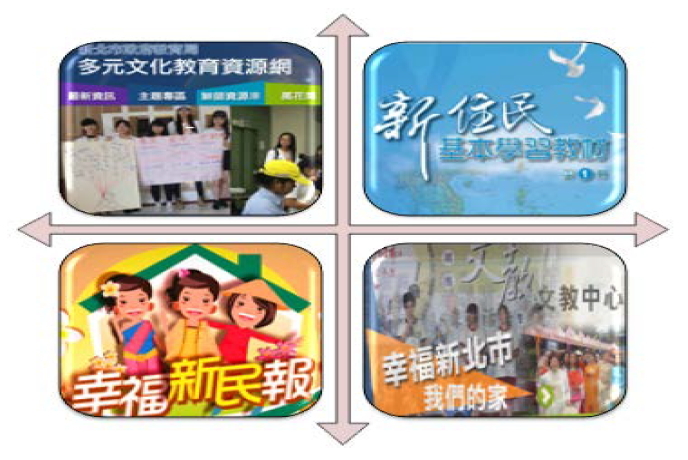
The New Taipei City Audit Division found that although the Education Department of the New Taipei City Government gave financial subsidies to the schools in the city to implement a Chinese Remedial Program for the children of immigrant residents, the number of classes and students decreased year by year from 101 classes to 68 classes and from 739 students to 285 students. After the division called for improvements, the department urged the schools to plan and open more remedial programs. In 2016, the number of classes in the Chinese Remedial Program for the children of immigrant residents increased to 192, and the number of students grew to 608. In addition, the number of classes and students in the native language programs for children of immigrant residents grew to 187 classes and 1,659 students, effectively improving the effectiveness of educational resources and helping the children of immigrant residents strengthen their language proficiency and adapt to new circumstances.
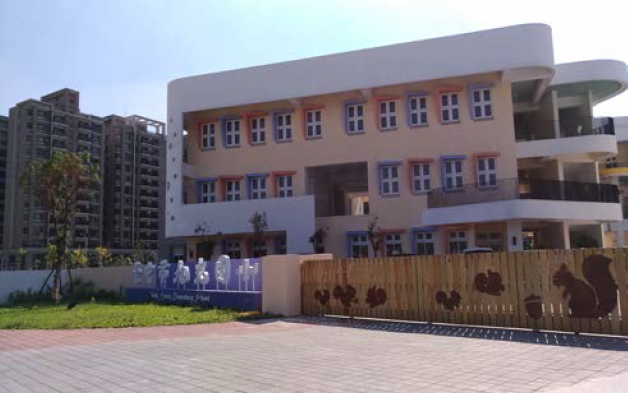
The Taichung City Audit Division found that the contractor of the construction project that was initiated by the Education Bureau of the Taichung City Government to relocate the Shiuhkuang Elementary School did not complete the project before the deadline and the quality of the construction was poor. After the division called for improvements, the bureau urged the contractor to speed up, and the construction was completed, providing students with a brand-new learning environment.
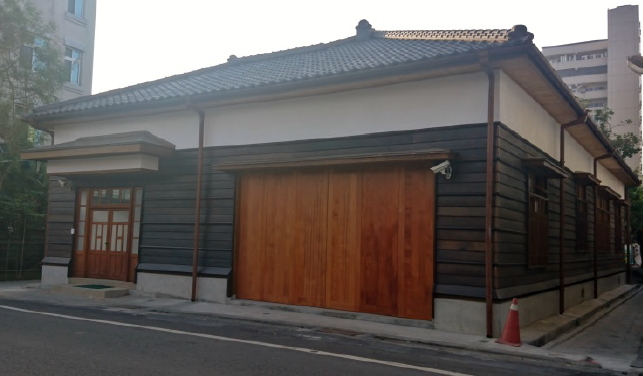
The Changhua County Audit Office found that the historical building, the Beidou Baojia Office, which was administrated by the Changhua County Cultural Affairs Bureau, had not been repaired for years. After the office called for improvements, the bureau funded NT$17.26 million of the construction fee for the restoration in 2013 and completed the restoration in May 2016. On November 19, 2016, the Beidou Baojia Office opened to the public. Numerous exhibitions and art events were held by the artists who were stationed in the Beidou Baojia Office. 3,506 people have visited the Beidou Baojia Office from the opening day to the end of April 2017, fulfilling the goal of the preservation and revitalization of cultural assets.
The Taichung City Audit Division found that the contractor of the construction project that was initiated by the Education Bureau of the Taichung City Government to relocate the Shiuhkuang Elementary School did not complete the project before the deadline and the quality of the construction was poor. After the division called for improvements, the bureau urged the contractor to speed up, and the construction was completed, providing students with a brand-new learning environment.
The Changhua County Audit Office found that the historical building, the Beidou Baojia Office, which was administrated by the Changhua County Cultural Affairs Bureau, had not been repaired for years. After the office called for improvements, the bureau funded NT$17.26 million of the construction fee for the restoration in 2013 and completed the restoration in May 2016. On November 19, 2016, the Beidou Baojia Office opened to the public. Numerous exhibitions and art events were held by the artists who were stationed in the Beidou Baojia Office. 3,506 people have visited the Beidou Baojia Office from the opening day to the end of April 2017, fulfilling the goal of the preservation and revitalization of cultural assets.