2014 December Hot Audit News
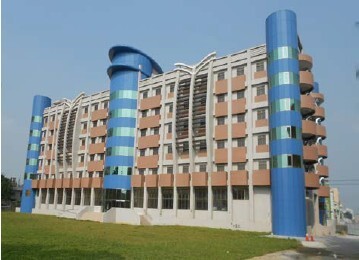
In order to promote the performance of staff training and to enhance the business competition, CPC Corporation budgeted more than NT$ 658.67 million since March 2009 to conduct 21 biddings which included the construction, air-conditioning, firefighting, renovations and landscapes works of instructional and dormitory buildings, and the Corporation expected to complete those engineering works on April 15, 2011. After auditing the delegated design processes of instructional buildings and dormitories of CPC Corporation, the NAO found out that the Corporation neither make penal provisions appropriately nor control the conducting of contracts seriously, and these deficiencies causing the design processing delay and the poor contracts management. Besides, the corporation did not establish the controlling mechanisms of contracting-out schedule of these biddings, which delayed the completion date of the building more than two years and affected the effectiveness seriously. Since the notification of the NAO by Article 69 of the Audit Act, CPC Corporation had revised the standard contract provisions of the delegated technical services to strengthen the responsibilities of architectural designers, and had established controlling mechanisms of the under construction works, etc. After the positive conduction of the Corporation, the buildings and relative engineering had been completed on April 25, 2014 and promoted the benefits of personnel training.
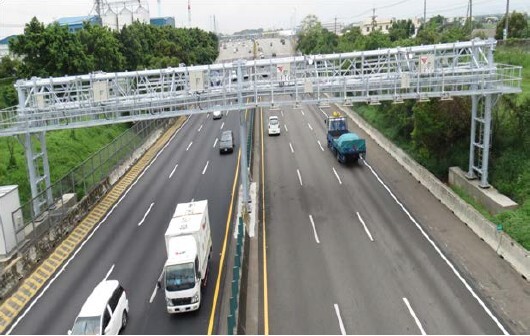
In order to charge tolls without stopping, Taiwan Area National Freeway Bureau entrusted Far Eastern Electronic Toll Collection Co. (FETC) for the establishment, operation and maintenance of Electronic Toll Collection (ETC) service in 2007. FETC set up 313 huge truss-frames along the freeway, and the Bureau launched the "Pay as You Go" toll system according to the "beneficiary pays" principle in January 2, 2014. By the end of February 2014, the transaction volumes were up to 801.06 million. However, the Audit Division on Construction of Transportation and Communication found out that some truss-frames generated abnormal transactions during the early period of conducting the "Pay as You Go" toll system and caused some uncollectible tolls. Besides, the Bureau did not design the analysis function of "Reporting System Platform", and the inspected mechanism should be strengthened. Since the notification of the Audit Division, the Bureau had replaced the broken photo equipment, and the transaction volumes of uncollectible tolls had descended substantially from 272,970 in February to 83,019 in June, 2014. After adjusting the equipment, the invalid transactions which were caused by traffic jams reduced effectively and the system became more stabilized. FETC had made up the balance of the under-standard charge rate and uncollectible tolls which were caused by poor photo equipment. Furthermore, the Bureau establishes the data analysis function of truss-frames to control the abnormal information, making the system more stable.
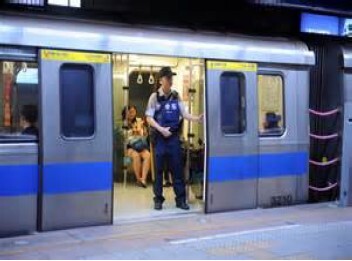
According to “Regulation of the Payment of Military and Government Employees”, the personnel remuneration, welfare, rewards and other payments of all organizations and schools should be approved by Executive Yuan in line with the annual budget. After auditing Taipei Rapid Transit Corporation, Taipei City Audit Division found out that the Corporation followed “Regulation of the Payment of Pension to Security and Maintenance Staff of Rapid Transit Division of Taipei City Police Department”, budgeted the holiday benefits for each staff to receive NT$ 6,000 in Dragon Boat Festival and Moon Festival respectively, and NT$10,000 in Chinese New Year, for strengthening the security and maintenance works, as well as promoting the efficiency and morale of staff. However, the budget was not approved by the Executive Yuan. Since the notification of the Audit Division, the Corporation had ceased to pay the holiday benefits in Dragon Boat Festival of 2013, and did not budget the benefits in the future. Therefore, the illegal public spending is expected to save NT$4.07 million annually from 2014.
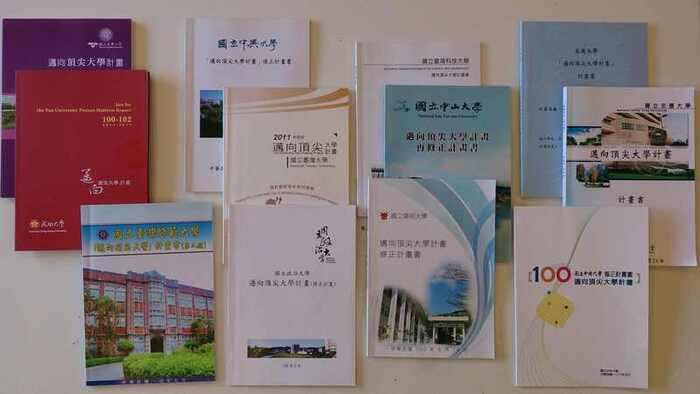
According to response the trend of knowledge economy and global competition, every country budgets huge educational funds to the elite universities for pursuing academic excellence, fostering outstanding scholars, and improving the quality of higher education. Since 2006, Ministry of Education has promoted “The Project of Developing Top-Ranking Universities and Excellent Research Centers” in two phases. The first phase was from January 2006 to March 2011, and the second phase was from April 2011 to December 2016. During 2006 to 2012, the Ministry had cost 64.57 billion to subsidize 12 universities. To fulfill the INTOSAI principle of “Supreme Audit Institutions making a difference to the lives of citizens”, the audit agencies focus on key audit issues of livelihood and public concerns. In order to evaluate the project performance, the Audit Division on Education and Agriculture had conducted a special investigation in March, 2013. In the investigation, the Audit Division collected the opinions of teachers and students by questionnaire, realized the key problems and difficulties about international competitiveness of higher education, and proposed overall suggestions. After the notification of the Audit Division, the Ministry and these universities had responded specifically, and took measures for improvement actively, which achieves the audit value sufficiently.
In order to charge tolls without stopping, Taiwan Area National Freeway Bureau entrusted Far Eastern Electronic Toll Collection Co. (FETC) for the establishment, operation and maintenance of Electronic Toll Collection (ETC) service in 2007. FETC set up 313 huge truss-frames along the freeway, and the Bureau launched the "Pay as You Go" toll system according to the "beneficiary pays" principle in January 2, 2014. By the end of February 2014, the transaction volumes were up to 801.06 million. However, the Audit Division on Construction of Transportation and Communication found out that some truss-frames generated abnormal transactions during the early period of conducting the "Pay as You Go" toll system and caused some uncollectible tolls. Besides, the Bureau did not design the analysis function of "Reporting System Platform", and the inspected mechanism should be strengthened. Since the notification of the Audit Division, the Bureau had replaced the broken photo equipment, and the transaction volumes of uncollectible tolls had descended substantially from 272,970 in February to 83,019 in June, 2014. After adjusting the equipment, the invalid transactions which were caused by traffic jams reduced effectively and the system became more stabilized. FETC had made up the balance of the under-standard charge rate and uncollectible tolls which were caused by poor photo equipment. Furthermore, the Bureau establishes the data analysis function of truss-frames to control the abnormal information, making the system more stable.
According to “Regulation of the Payment of Military and Government Employees”, the personnel remuneration, welfare, rewards and other payments of all organizations and schools should be approved by Executive Yuan in line with the annual budget. After auditing Taipei Rapid Transit Corporation, Taipei City Audit Division found out that the Corporation followed “Regulation of the Payment of Pension to Security and Maintenance Staff of Rapid Transit Division of Taipei City Police Department”, budgeted the holiday benefits for each staff to receive NT$ 6,000 in Dragon Boat Festival and Moon Festival respectively, and NT$10,000 in Chinese New Year, for strengthening the security and maintenance works, as well as promoting the efficiency and morale of staff. However, the budget was not approved by the Executive Yuan. Since the notification of the Audit Division, the Corporation had ceased to pay the holiday benefits in Dragon Boat Festival of 2013, and did not budget the benefits in the future. Therefore, the illegal public spending is expected to save NT$4.07 million annually from 2014.
According to response the trend of knowledge economy and global competition, every country budgets huge educational funds to the elite universities for pursuing academic excellence, fostering outstanding scholars, and improving the quality of higher education. Since 2006, Ministry of Education has promoted “The Project of Developing Top-Ranking Universities and Excellent Research Centers” in two phases. The first phase was from January 2006 to March 2011, and the second phase was from April 2011 to December 2016. During 2006 to 2012, the Ministry had cost 64.57 billion to subsidize 12 universities. To fulfill the INTOSAI principle of “Supreme Audit Institutions making a difference to the lives of citizens”, the audit agencies focus on key audit issues of livelihood and public concerns. In order to evaluate the project performance, the Audit Division on Education and Agriculture had conducted a special investigation in March, 2013. In the investigation, the Audit Division collected the opinions of teachers and students by questionnaire, realized the key problems and difficulties about international competitiveness of higher education, and proposed overall suggestions. After the notification of the Audit Division, the Ministry and these universities had responded specifically, and took measures for improvement actively, which achieves the audit value sufficiently.