2014 July Hot Audit News
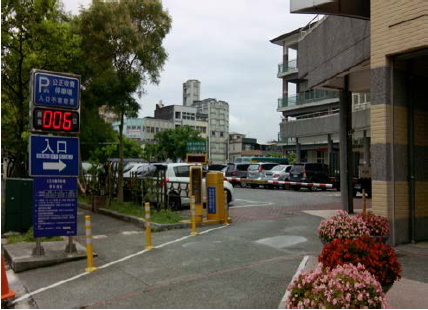
The National Freeway NO.5 has been opened since 2006. The Yilan County Audit Office found out that when people took a holiday trip to Yilan, insufficient parking spaces in some townships seriously affected the traffic. However, some schools in Yilan County did not make full use of their parking lots and related facilities. After the notification of the Yilan County Audit Office, the Yilan County Government had urged the schools to open their parking lots and to charge user fees. Therefore, the user fees had increased more than NT$9.22 million in 2013. These measures not only increase the schools’ revenues, but also improve the trouble of public parking.
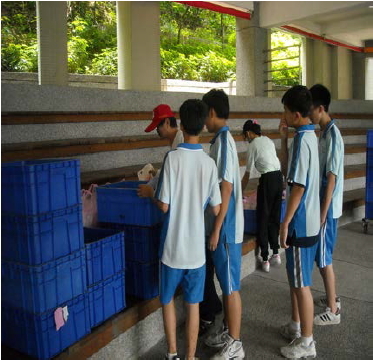
After reviewing the lunch purchases of school cooperative stores in Keelung City, the Keelung City Audit Office found out that the meal price included agency fee between 5 and 6 percent which might affect the meal quality and the students’ interests, and the rights and obligations between the schools and their cooperative stores were unclear. After the notification of the Keelung City Audit Office, the Keelung City Government had formulated regulations on February 12, 2014. The secondary and primary schools in Keelung City that entrust cooperative stores with the lunch purchases are required to set up labor contracts and to carry out the bidding in accordance with the Government Procurement Act. The school cooperative stores can only charge every lunch box NT$1 as agency fee, and the selling price of campus food should not be higher than the market price. All regulations above are set to safeguard the interests of students.
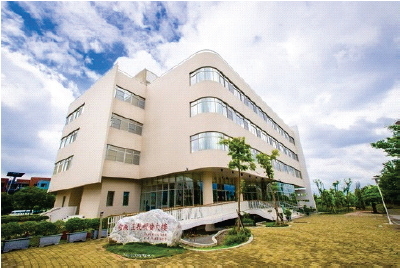
To promote the development of the biotechnology industry, the former Tainan County Government counseled with the Academia Sinica and decided to set up an experimental center of biotechnology for research and development purposes. Therefore, the former Tainan County Government invested NT$141.88 million, the National Science Council and the National Science Development Fund subsidized NT$86.71 million to build the 4-storey Nan-Ying Biotechnology Building on January 5, 2004. The 4th floor was used by the former Tainan County Government, while the rest were supplied to the Academia Sinica as research and development offices. However, the Tainan City Audit Division found out that after the building was completed in July 1999, the rights and obligations between the former Tainan County Government and the Academia Sinica were not standardized, and the relevant departments of the former Tainan County Government did not moved in, resulting in the idle 4th Floor. Since the notification of the Tainan City Audit Division, the Tainan City Government has entered into agreement with the Academia Sinica, developing the 4th Floor into a biotechnology center. The Academia Sinica has set up the regulations for the management of Nan-Ying Biotechnology Building, and is responsible for all management and maintenance of the building. The Academia Sinica has also undertaken 20% of the gross proceeds from research results as feedback to improve public treasury income.
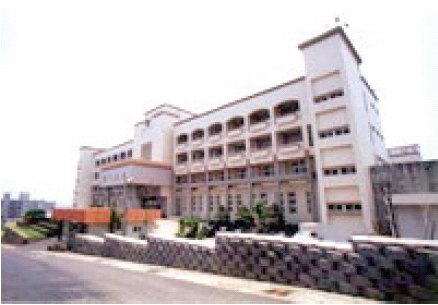
Juvenile reformatory schools of the Agency of Corrections are responsible for providing education to juvenile inmates. However, after reviewing the education tasks of the juvenile reformatory schools, the NAO discovered that there was a lack of supervision and assessment on the schools’ teaching quality, and the deficiency of counseling and tracing measures for the leaving juveniles caused the high recidivism rate of approximately 15.21%. After the notification of the NAO, the Ministry of Justice developed evaluation mechanisms of the teaching quality with the Ministry of Education, and the Agency of Corrections strengthened the counseling and tracing measures in March 2014.
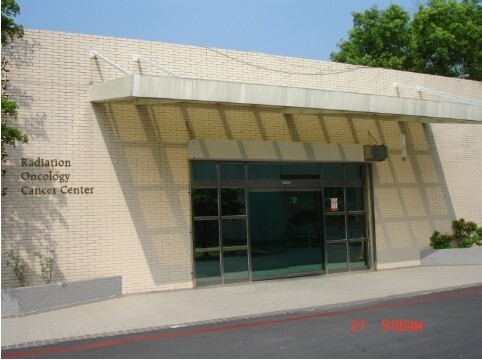
In order to provide radiation oncology cancer services for the patients, Zuoying Branch of Kaohsiung Armed Forces General Hospital signed a 15-year cooperation agreement with the manufacturer in January 2003 and established a Cancer Center. The center has been operated since March 2006. The NAO found out that the hospital didn’t estimate the manufacturing cost thoroughly, thus underestimated the expenses which should be paid. Furthermore, the hospital made effectiveness evaluation only with the information provided by the manufacturer thus causing imbalance in the distribution of return rates. The manufacturer had profits in 2009, but the hospital faced deficits until the end of 2010 and its accumulated losses were more than NT$20.03 million. After the notification of the NAO, the Zuoying Armed Forces General Hospital had adjusted the distribution of return rates with the manufacturer, and the operating income increased more than NT$8.91 million by the end of March 2014.
After reviewing the lunch purchases of school cooperative stores in Keelung City, the Keelung City Audit Office found out that the meal price included agency fee between 5 and 6 percent which might affect the meal quality and the students’ interests, and the rights and obligations between the schools and their cooperative stores were unclear. After the notification of the Keelung City Audit Office, the Keelung City Government had formulated regulations on February 12, 2014. The secondary and primary schools in Keelung City that entrust cooperative stores with the lunch purchases are required to set up labor contracts and to carry out the bidding in accordance with the Government Procurement Act. The school cooperative stores can only charge every lunch box NT$1 as agency fee, and the selling price of campus food should not be higher than the market price. All regulations above are set to safeguard the interests of students.
To promote the development of the biotechnology industry, the former Tainan County Government counseled with the Academia Sinica and decided to set up an experimental center of biotechnology for research and development purposes. Therefore, the former Tainan County Government invested NT$141.88 million, the National Science Council and the National Science Development Fund subsidized NT$86.71 million to build the 4-storey Nan-Ying Biotechnology Building on January 5, 2004. The 4th floor was used by the former Tainan County Government, while the rest were supplied to the Academia Sinica as research and development offices. However, the Tainan City Audit Division found out that after the building was completed in July 1999, the rights and obligations between the former Tainan County Government and the Academia Sinica were not standardized, and the relevant departments of the former Tainan County Government did not moved in, resulting in the idle 4th Floor. Since the notification of the Tainan City Audit Division, the Tainan City Government has entered into agreement with the Academia Sinica, developing the 4th Floor into a biotechnology center. The Academia Sinica has set up the regulations for the management of Nan-Ying Biotechnology Building, and is responsible for all management and maintenance of the building. The Academia Sinica has also undertaken 20% of the gross proceeds from research results as feedback to improve public treasury income.
Juvenile reformatory schools of the Agency of Corrections are responsible for providing education to juvenile inmates. However, after reviewing the education tasks of the juvenile reformatory schools, the NAO discovered that there was a lack of supervision and assessment on the schools’ teaching quality, and the deficiency of counseling and tracing measures for the leaving juveniles caused the high recidivism rate of approximately 15.21%. After the notification of the NAO, the Ministry of Justice developed evaluation mechanisms of the teaching quality with the Ministry of Education, and the Agency of Corrections strengthened the counseling and tracing measures in March 2014.
In order to provide radiation oncology cancer services for the patients, Zuoying Branch of Kaohsiung Armed Forces General Hospital signed a 15-year cooperation agreement with the manufacturer in January 2003 and established a Cancer Center. The center has been operated since March 2006. The NAO found out that the hospital didn’t estimate the manufacturing cost thoroughly, thus underestimated the expenses which should be paid. Furthermore, the hospital made effectiveness evaluation only with the information provided by the manufacturer thus causing imbalance in the distribution of return rates. The manufacturer had profits in 2009, but the hospital faced deficits until the end of 2010 and its accumulated losses were more than NT$20.03 million. After the notification of the NAO, the Zuoying Armed Forces General Hospital had adjusted the distribution of return rates with the manufacturer, and the operating income increased more than NT$8.91 million by the end of March 2014.